
Galvanised wire is a durable and versatile material widely used across various industries due to its corrosion resistance, strength, and affordability. Whether for fencing, construction, agriculture, or DIY projects, galvanised wire provides a long-lasting and cost-effective solution. In this blog, we will explore the benefits, applications, and types of galvanised wire available today.
What is Galvanised Wire?
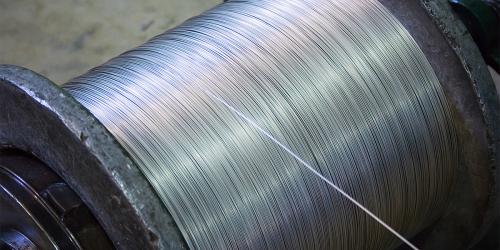
Galvanised wire is steel wire coated with a layer of zinc to prevent rust and corrosion. This protective coating enhances its durability, making it ideal for outdoor and high-moisture environments. The galvanisation process can be done through hot-dipping or electroplating, each offering varying levels of protection and longevity.
Benefits of Galvanised Wire
- Corrosion Resistance – The zinc coating protects the wire from rust and environmental damage.
- Durability – Provides excellent tensile strength for demanding applications.
- Cost-Effective – More affordable than stainless steel while still offering strong protection.
- Versatility – Available in different gauges and coatings for various uses.
- Low Maintenance – Requires minimal upkeep, reducing long-term costs.
Common Applications of Galvanised Wire
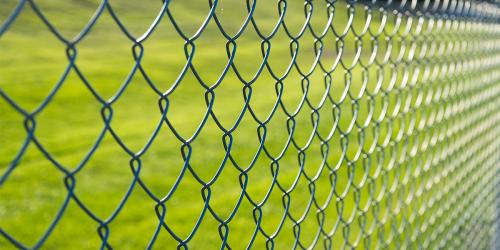
- Fencing and Barriers – Used in agricultural, security, and industrial fencing.
- Construction and Engineering – Reinforces structures, ties materials, and supports frameworks.
- Agriculture and Gardening – Ideal for trellising plants, making animal enclosures, and securing equipment.
- Marine and Outdoor Use – Resists moisture and salt exposure in coastal and marine environments.
- Manufacturing and Fabrication – Used in wire mesh, cages, shelving, and industrial machinery.
- DIY and Home Projects – Suitable for hanging, crafting, and light-duty repairs.
Types of Galvanised Wire
- Hot-Dipped Galvanised Wire – Offers superior corrosion resistance with a thick zinc coating.
- Electro-Galvanised Wire – Features a thinner zinc layer, providing smoothness and flexibility.
- High-Tensile Galvanised Wire – Stronger and more rigid, ideal for heavy-duty applications.
- Soft Galvanised Wire – More flexible and easier to manipulate for crafting and tying.
- Barbed and Twisted Wire – Used for fencing and security applications.
How to Choose the Right Galvanised Wire
- Consider the Environment – Hot-dipped galvanised wire is best for extreme outdoor conditions.
- Determine the Strength Requirement – High-tensile wire is suitable for structural applications.
- Assess Flexibility Needs – Soft galvanised wire is ideal for binding and DIY use.
- Select the Right Gauge – Thicker wire provides greater strength, while thinner wire is easier to handle.
Conclusion
Galvanised wire is a reliable and cost-effective material for numerous industrial, agricultural, and domestic applications. Its corrosion resistance, strength, and affordability make it a preferred choice for outdoor and high-stress environments. By selecting the right type of galvanised wire, you can ensure longevity and efficiency in your specific application.