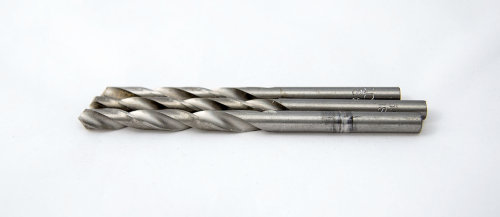

Choosing the right drill bit can make a big difference to the speed and quality of a job. The material, hole depth and type of fixing will all affect which bit you need.
For everyday drilling, a standard-length bit may be enough. For thick walls, deep masonry, remedial wall ties or cable routing, long SDS drill bits can provide the extra reach required.
In this guide, we explain how to choose the right drill bit for masonry and concrete. We also look at when you may need an extra-long SDS+ drill bit for deeper drilling applications.
What Drill Bit Should You Use for Masonry?
Masonry drill bits are designed for drilling into materials such as brick, block and concrete.
Unlike drill bits intended for timber or metal, masonry bits use a hard cutting tip capable of breaking into dense building materials. Many masonry drill bits use tungsten carbide at the cutting end because of its hardness and resistance to wear.
For lighter drilling into brick or block, a conventional masonry drill bit may be suitable. For harder materials, larger holes or deeper drilling, an SDS or SDS+ drill bit used with a compatible rotary hammer drill will often be the more appropriate choice.
What Is an SDS+ Drill Bit?
SDS+ drill bits are designed for use with SDS+ rotary hammer drills.
Rather than being held in a standard three-jaw drill chuck, the SDS+ shank locks into the drill while still allowing movement required by the hammer mechanism.
This allows the drill to transfer impact energy more effectively into the material being drilled.
SDS+ drill bits are commonly used for:
- Brick
- Concrete
- Concrete block
- Masonry
- Structural fixing applications
- Remedial building work
They are particularly useful where repeated or heavier-duty masonry drilling is required.
When Do You Need a Long Drill Bit?
The required length of a drill bit depends on how deep you need to drill.
For many fixing applications, a standard-length drill bit will provide sufficient reach. However, deeper holes or thicker wall constructions can require a long-series or extra-long drill bit.
Long drill bits can be useful when drilling for:
- Remedial wall tie installation
- Thick brick or block walls
- Deep structural fixings
- Cable routes through walls
- Pipe installations
- Cavity wall work
- Specialist construction and remedial applications
Long-series SDS+ drill bits are available in considerably greater lengths than conventional masonry bits, allowing contractors to drill through substantial depths of masonry without needing to change drilling method.
How Do You Drill Through a Thick Wall?
Before drilling through a thick wall, it is important to understand what the wall is constructed from and what may be concealed within it.
Once the drilling position has been checked, select a masonry drill bit with sufficient diameter and working length for the hole required.
For deep drilling into brick, block or concrete, an SDS+ rotary hammer combined with a long-series SDS+ drill bit can provide the additional reach required.
Start the hole carefully to establish the correct drilling position and keep the drill as straight as possible as the hole becomes deeper.
During deep drilling, periodically withdrawing the drill bit can also help remove accumulated dust and debris from the hole.
How Long Should a Drill Bit Be?
The drill bit must have enough usable length to reach the required drilling depth while still allowing the drill and chuck to remain clear of the surface.
It is therefore important not to choose a drill bit based solely on the depth of the hole.
For example, if you need to drill through a particularly thick wall, the bit will normally need to be longer than the thickness of the wall itself so that sufficient working length remains available.
Always check the stated overall and working length of the drill bit before beginning the job.
What Are Extra-Long SDS+ Drill Bits Used For?
Extra-long SDS+ drill bits are designed for applications where standard drill bits do not provide sufficient reach.
At BS Fixings, our long-series SDS+ drill bits are available in a range of diameters and lengths of up to 1500mm.
They feature tungsten carbide cutting tips and precision-engineered flutes designed to assist drilling performance and remove debris from the hole.
Typical applications include remedial wall ties, structural fixings, cable routing, pipe installation and specialist construction work.
Their SDS+ shank makes them suitable for use with standard SDS+ rotary hammer drills.
For contractors carrying out repeated masonry drilling, the quality and condition of the cutting tip can have a significant effect on drilling performance.
Common Mistakes When Drilling Into Masonry
Using the wrong drill bit is one of the most common causes of poor drilling performance.
Other common issues include applying excessive pressure, failing to clear dust from deep holes and selecting a drill bit that does not provide enough working length.
Drilling at an angle can also become more noticeable with extra-long drill bits because small changes in direction near the surface can result in a much larger deviation further into the wall.
Taking the time to establish the hole accurately before increasing drilling speed can help keep deeper holes properly aligned.
Choosing the Right Drill Bit for the Job
Before selecting a drill bit, consider four main factors:
Material: Is the hole being drilled into brick, block, concrete, timber or metal?
Diameter: What diameter hole does the fixing or application require?
Depth: How deep does the hole need to be?
Drill type: Does the drill use a standard chuck or an SDS+ fitting?
For masonry applications requiring substantial drilling depth, a long-series SDS+ drill bit can provide the additional reach required while maintaining the secure SDS+ connection needed for rotary hammer drilling.
BS Fixings supplies long-series SDS+ masonry drill bits in a selection of diameters and lengths, including options of up to 1500mm for demanding deep-drilling applications.